
Acupuncture for Animals
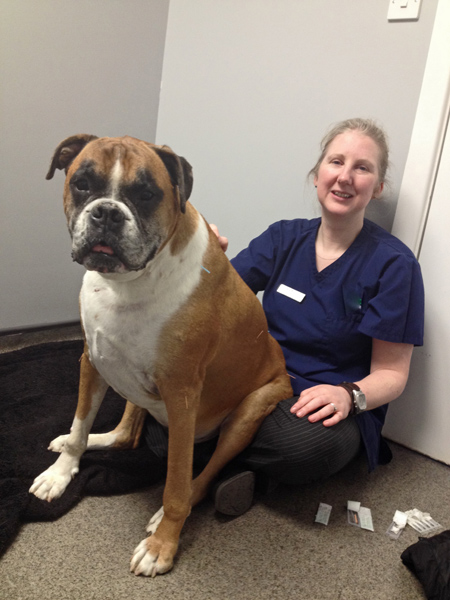
This is Baxter having his regular veterinary acupuncture treatment with me. You can see from his facial expression and dilated pupils (and the fact that he has come to sit on my knee!) that he is in the phase of the treatment, usually around 5 minutes after the needles are placed, where endorphins are released and the patient becomes very relaxed. Can you spot any of the tiny needles?
Veterinary acupuncture has evolved from the ancient art of placing needles into particular locations on the body in order to alleviate pain, improve recovery rates and increase resistance to disease. It has been practiced by the Chinese and other Eastern cultures for thousands of years and may be used to treat a wide variety of illnesses in both people and animals.
Acupuncture treatment should always follow an accurate diagnosis of the problem and a full appraisal of all of the treatment options. In many cases acupuncture is best used in conjunction with conventional medicine, but in some situations it can be appropriate as a sole treatment. This can be especially beneficial if the side effects of traditional medicines are not well tolerated in a patient, as treatment can, in some cases, reduce the patient’s requirements for medications.
Pain is the most common indication for acupuncture, particularly chronic pain such as arthritis, but it can be very useful for muscular strains and spinal problems too. Acupuncture can also be of great benefit to medical conditions such as gastrointestinal diseases, urinary disorders, epilepsy and much more. As with any treatment, there are a small percentage of animals that do not respond.
Most animals, even including cats and rabbits, accept acupuncture treatment without any stress or discomfort. The needles are very thin and the majority are inserted into sites that are not painful. During treatment many animals become more relaxed or even sleepy and this can continue for the rest of the day. Needles are usually left in for 10-20 minutes but each treatment is uniquely tailored to the pet’s condition on that day. Occasionally afterwards pets can seem almost euphoric (those endorphins again!) so take care that they don’t overdo it.
Treatments are usually weekly for the first 3-4 weeks and the frequency can then usually be decreased as the improvement lasts for longer. Owners quickly recognise the signs that indicate a ‘top-up’ treatment is required.
Occasionally pets are a little stiff or uncomfortable for a day or two after a treatment, this usually only happens after the first one or two treatments and can be easily managed with rest; in a way this is a good sign as it suggests that the animal is likely to respond to acupuncture in the long term.
Many insurance companies now recognise acupuncture as a successful treatment for many conditions and the majority of insurance companies will cover the costs involved. If you are in any doubt check your policy or contact your individual company for more information.
The acupuncture for animals is a referral service, so you continue with your existing vet for all other aspects of your animal’s care. Prior to your first appointment I will review the full medical history and, when appropriate, discuss the case with your regular vet.
Veterinary staff please click here for more information regarding referrals.
Jessica’s testimonial
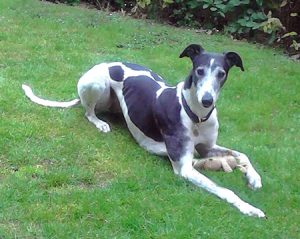 Jessica settled really well with Jody and having the acupuncture needles put in didn’t bother her at all. In fact, she thoroughly enjoyed the fussing she got for the duration of the treatment – especially the treats!
Thank you.
 When my vet first suggested acupuncture as an additional treatment for Baxters arthritis pain I was very sceptical. But the alternative was to try a much stronger pain relief and I didn’t want to go down that road if I could help it. At the time, Baxter needed help to stand after resting, was struggling to go down one step into the garden and had just lost his spark.
Thank you from Rusty.
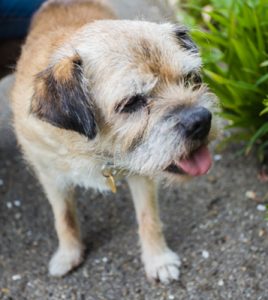 Jody has been treating my elderly Border Terrier, Rusty, with acupuncture for the past 2 months. She comes to the house to do the treatments and Rusty enjoys her visits. He is really relaxed for the needles being placed, and very excited about the treats he receives as a reward. His response to the acupuncture was gradual, but on Jody’s third visit he met her at the door and followed her out through the garden, which he had not done previously, prefering to stay in the house.
Clyde says thank you
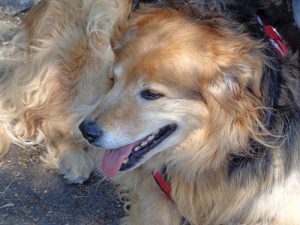 Jody’s healing hands have been helping Clyde (collie x circa 13 years) for a few weeks now and, although it is early days, we are hoping for continued improvements. Since starting his acupuncture he appears to be more relaxed and in less pain and discomfort. He always looks forward to Jody’s visits and particularly her tasty treats!
Prior to his acupuncture we’ve tried some hydrotherapy/physiotherapy with limited success but we are hopeful he will continue to respond positively to Jody’s care and advice. He is specially intrigued by her magical needle magnet! (As are we!)
Thanks for helping Crumpet
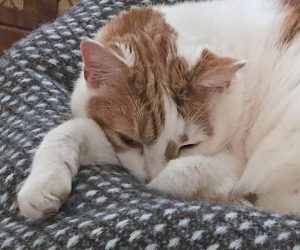 Crumpet developed symptoms that looked a lot like Feline hyperesthesia following a move from London to York. He was twitching uncontrollably and racing round the house as if trying to get away from the itch. He was also diagnosed with an unrelated heart condition at the same time and avoiding as much stress as possible for him became a huge priority. Jody was absolutely brilliant with him, offering in clinic and then at home acupuncture for him when it became apparent that travelling to the vet was an additional stressor. Feline hyperesthesia is tricky to treat but after five to six months of acupuncture Crumpet has noticeably settled down and the twitches are now very infrequent and much, much less severe than when Jody first saw him. Cats aren’t perhaps the most obvious candidates for acupuncture but she was wonderful with him, letting him dictate the pace of the treatment. He put up with the needles like a champ, and other than being a little sleepy following treatment, there was no other noticeable effect – other than far less twitching! I can’t recommend Jody enough. She was endlessly patient and kind, and really prioritised Crumpet’s well-being throughout.
Thank you
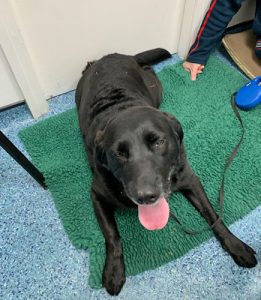 Having been diagnosed with both hip and elbow dysplasia at an early age, Zak, our 10 year old Labrador X was beginning to struggle with both pain and mobility. Despite a change in medication he was still incredibly stiff so our vet recommended for him to try acupuncture.
Thanks from Hooch
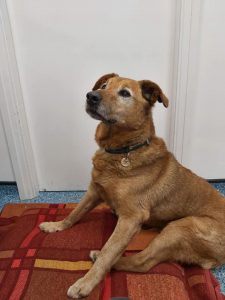
Jody has been treating my nearly 17 year old Lab cross for a few months now and what a difference it has made. From the first session he has been more alert, less incontinent, more mobile and active. He loves his sessions and positively runs into the vets when we arrive. We have named it his spa sessions because he is so relaxed.
Caroline Brooke
Archie says..
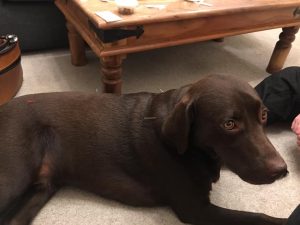
Jody has been doing acupuncture on our chocolate lab for around two years now! She is amazing and cares so much for him and his comfort. She gives him cuddles and calms him while finding the perfect spots for the needles every time she sees Archie. Every session has made a difference in his movements and you can tell he is happier immediately after the treatment!!
Jody is so lovely too so it’s always a pleasure to see her the most recent block of treatment was difficult to slot into our busy schedule so Jody is kindly visiting us at home to make sure Archie gets what he needs! Super grateful and would highly recommend
Kirsty Akister
Thank you Jody from Bruce
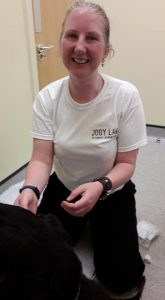
Unbelievable miracle cure! Bruce really enjoyed his first treatment, he slept afterwards and has been a different dog since.
Pat Collinson
Thanks Jody
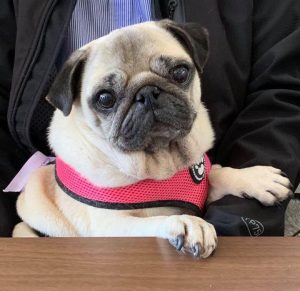
We met Jody first time at Castle Howard Dog show, some weeks later our coming 9 year old Girl pug had her first session of acacupuncture at Pets At Home with Jody , Lily has rear legs muscle problems, she has just had her 4th session and I must say we have seen quite a difference in her walking . I believe this is doing her more good than lotions and poisons. Next meeting is in 2 weeks time; to see Lily nodding off to sleep while Jody does her thing is quite amazing . Thanks Jody see you soon.
Robert Birley